


Dr Colum Nolan
Senior Consultant Spine & Neurosurgeon
MB, BCh, BAO, LRCPSI, MRCSI, FRCSI (Neurosurgery)
Arm tingling can be easy to dismiss, especially when it appears briefly and settles on its own. In some cases, it may simply reflect temporary pressure on a nerve from posture or position.
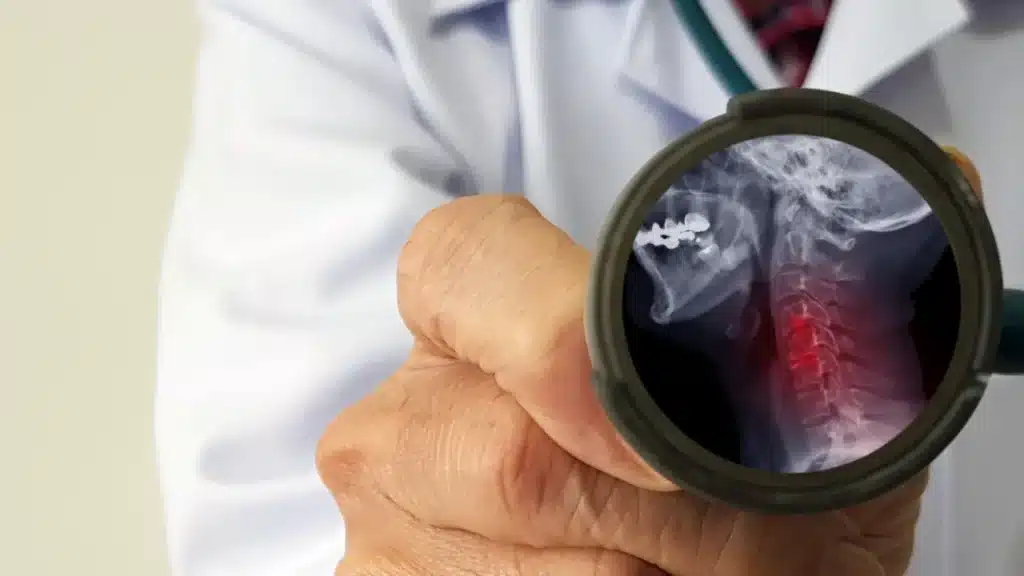
When arm tingling keeps returning, however, it may warrant closer attention. Cervical radiculopathy, sometimes described as a “pinched nerve” in the neck, occurs when a cervical nerve root becomes irritated or compressed, causing symptoms that may extend into the arm or hand.
When Is Arm Tingling More Likely to Be Temporary?
A brief episode of tingling does not always point to a problem in the cervical spine. Temporary pressure on a nerve can occur when you sleep with your arm in an awkward position or keep it compressed for too long. The familiar “pins and needles” sensation often eases once you move and relieve that pressure.
What matters is how the symptom behaves afterwards. If the sensation settles completely and does not keep returning in the same way, it may be less suggestive of ongoing nerve-root irritation in the neck.
What Makes Arm Tingling More Suggestive of Cervical Radiculopathy?
The significance of arm tingling depends partly on how consistently it follows a nerve pathway and whether there are signs that nerve function may be affected.
Tingling That Follows a Consistent Path Down the Arm
A recurring sensation that follows a similar route can provide more information than tingling that appears randomly. Cervical nerve roots supply particular areas of the upper limb, so tingling may follow a recognisable distribution through part of the arm or hand.
Some people also notice that certain neck positions reproduce the same sensation. This does not confirm cervical radiculopathy, but a consistent relationship between neck movement and arm symptoms may support further assessment of the cervical nerve roots.
When Arm or Hand Function Starts to Change
Reduced strength may make it harder to use the affected arm or maintain a reliable grip during everyday tasks. Unlike tingling alone, weakness may indicate that nerve-root involvement is also affecting motor function and warrants further assessment.
How Is the Source of Arm Tingling Identified?
Arm tingling can arise from different parts of the nerve pathway, so assessment focuses on whether the symptoms fit a cervical nerve-root problem or may be coming from another source.
Matching the Symptom Pattern With the Examination
The examination may check strength, sensation and reflexes in different parts of the arm. The goal is to determine whether the overall pattern points to the neck or another possible source.
When Further Investigation May Be Useful
Imaging may be considered when persistent symptoms or examination findings raise concern about cervical nerve-root compression. A cervical spine MRI can show the discs and areas where a nerve root may be compressed, but the findings need to be interpreted alongside your symptoms and examination.
When Should Persistent Arm Tingling Be Assessed?
Arm tingling may warrant assessment when it no longer behaves like a brief positional symptom. This includes tingling that keeps returning in a consistent pattern or begins affecting how you use the arm or hand.
Worsening weakness should be assessed promptly. Difficulty walking or changes in bladder or bowel control require urgent medical attention rather than waiting for a routine appointment.
Find Out Where Your Arm Tingling May Be Coming From With Dr Colum Nolan
Persistent arm tingling can be difficult to interpret on your own, particularly when the sensation comes and goes or does not seem severe enough to disrupt your day. If it keeps returning, understanding whether the symptoms are coming from the neck or elsewhere along the nerve pathway can help clarify what may be causing them.
At Oxford Spine & Neurosurgery Centre, Dr Colum Nolan can assess how your arm tingling presents and look for signs that a cervical nerve root may be involved. Where further investigation is needed, the findings can help distinguish cervical radiculopathy from other possible sources of similar symptoms.
Schedule an appointment with Dr Colum Nolan if recurring arm tingling is affecting you and you would like to understand whether the cervical spine may be involved.
Related Media Features
Read more from Dr Colum Nolan through media features and contributions:
Frequently Asked Questions (FAQs) About Arm Tingling and Cervical Radiculopathy
Can a problem at the wrist or elbow cause similar tingling?
Yes. Nerves can also become irritated or compressed further down the arm, including around the elbow or wrist. Similar sensations can therefore have different causes, which is why the location of the symptoms alone may not identify where the nerve problem originates.
Does arm tingling from cervical radiculopathy always mean the nerve is permanently damaged?
No. Tingling indicates altered nerve sensation, but the symptom alone does not establish that permanent nerve damage has occurred. Its significance depends on the underlying cause and degree of nerve involvement.
Can cervical radiculopathy cause arm tingling without neck pain?
Yes. Cervical radiculopathy can sometimes cause tingling mainly in the arm or hand even when neck pain is mild or absent. This is because the irritated nerve root can produce symptoms along the area it supplies, rather than causing discomfort only in the neck.
Meet Our Spine Specialist in Singapore
Dr Colum Nolan
Senior Consultant Spine & Neurosurgeon
MB, BCh, BAO, LRCPSI, MRCSI, FRCSI (Neurosurgery)
Dr Colum Nolan is a senior consultant spine and neurosurgeon, as well as the Medical Director of Oxford Spine & Neurosurgery Centre. He undertook specialist neurosurgery training in Ireland and Australia, and later on completed a complex spine surgery fellowship at Addenbrooke’s Hospital in Cambridge, UK.
Dr Colum held key leadership roles including Director of the Spine and Spinal Disorders Programme at the National Neuroscience Institute (NNI), as well as the Head of Neurosurgery Service at Sengkang General Hospital.
With his depth of experience, Dr Colum is committed to guiding each patient towards the safest and most effective treatment for their needs.