Surgical management of spinal curvature and imbalance

Dr Colum Nolan
Senior Consultant Spine & Neurosurgeon
MB, BCh, BAO, LRCPSI, MRCSI, FRCSI (Neurosurgery)
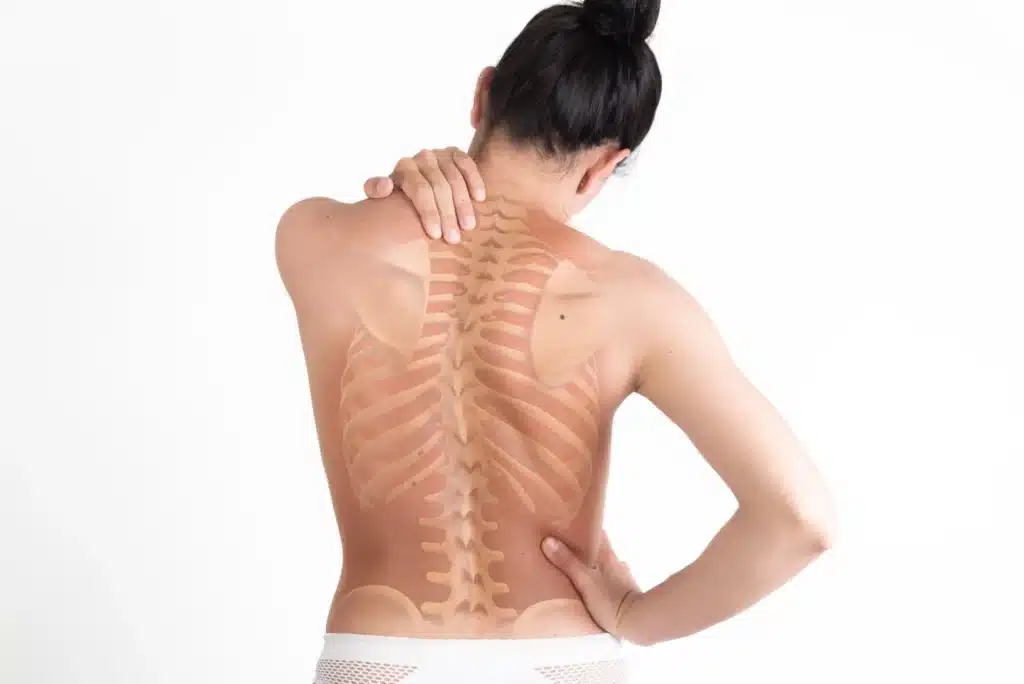
Scoliosis correction surgery is performed to address abnormal curvature of the spine that may lead to pain, imbalance, or neurological symptoms. The aim of surgery is to improve spinal alignment, stabilise the spine, and reduce the risk of further curve progression when non-surgical options are no longer sufficient.
Surgery is considered only after careful clinical assessment, imaging correlation, and discussion of treatment options.
Scoliosis refers to a sideways curvature of the spine that can develop during adolescence or adulthood. In adults, scoliosis is often associated with degenerative changes, spinal imbalance, or progression of a long-standing curve.

Symptoms may vary and can include:
Not all scoliosis requires surgery, and many individuals are managed without an operation.
Scoliosis correction surgery is performed under general anaesthesia and involves a planned approach to realign and stabilise the spine.
During the procedure:
The extent of surgery varies depending on the type and severity of scoliosis and may involve multiple levels of the spine.
Recovery following scoliosis surgery is gradual and differs between individuals.
In general:
Fusion and spinal stability develop over several months, and regular follow-up is important.
Scoliosis correction surgery at Oxford Spine and Neurosurgery Centre is guided by detailed assessment and individualised planning. Surgical decisions are based on symptoms, imaging findings, and long-term spinal balance.
Care is led by Dr Colum Nolan, Senior Consultant Neurosurgeon with more than 20 years of clinical experience, with emphasis on clear explanation, appropriate patient selection, and structured follow-up.
Scoliosis correction surgery is a treatment option for selected individuals with significant spinal curvature, imbalance, or neurological symptoms. While not required for all cases of scoliosis, it plays an important role when conservative treatments are no longer effective and spinal stability or alignment needs to be addressed.
Medical Disclaimer
This page is intended for general educational purposes only and does not constitute medical advice. Information provided is not a substitute for professional medical consultation, diagnosis, or treatment. Suitability for scoliosis correction surgery must be determined by a qualified medical practitioner following appropriate clinical assessment.
Dr Colum Nolan is a Senior Consultant Neurosurgeon with over 20 years of experience, specialising in minimally invasive spine (keyhole) surgery and other spine procedures.
A graduate of the Royal College of Surgeons in Ireland, Dr Nolan underwent neurosurgical training in Ireland and Australia, followed by a fellowship in complex spine surgery at Addenbrooke’s Hospital, Cambridge, as well as rotations at the Orthopaedic Spine Unit in Norfolk and Norwich Hospital.
Dr Colum is committed to delivering compassionate, patient-centred care, combining surgical precision with a genuine dedication to improving his patients’ quality of life.

Make an Enquiry or Request an Appointment
Our friendly team is here to serve you. For urgent enquiries and appointment requests, please call or WhatsApp us directly.