Dr Colum Nolan
Senior Consultant Spine & Neurosurgeon
MB, BCh, BAO, LRCPSI, MRCSI, FRCSI (Neurosurgery)
Are you experiencing neck or lower back discomfort and unsure of the cause? Understanding whether your symptoms stem from cervical or lumbar spinal stenosis can help you take the right steps towards relief and recovery. Discover their key differences, symptoms and when to seek professional care to protect your spinal health.
What Is Spinal Stenosis?
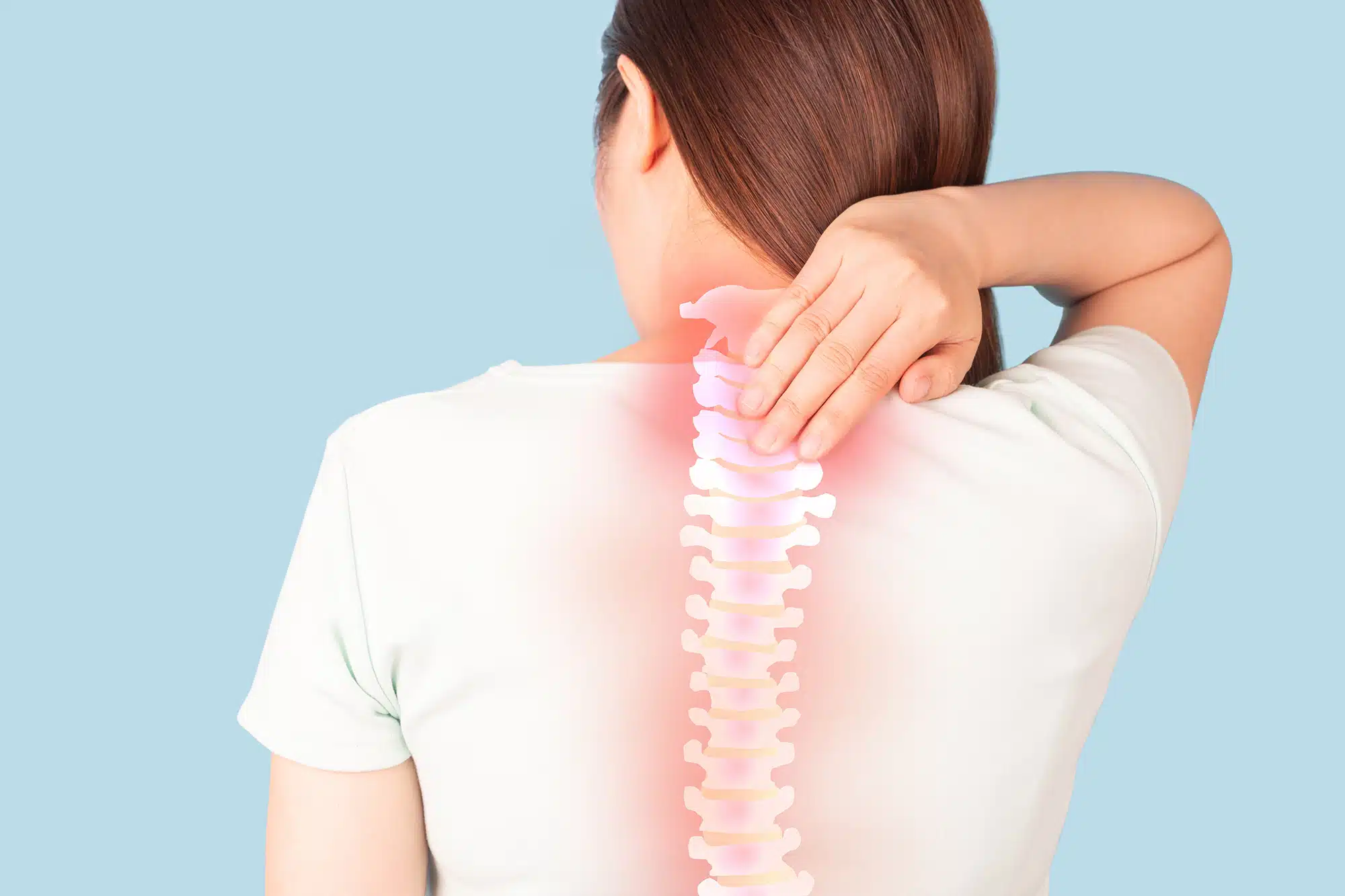
Spinal stenosis is a condition characterised by the narrowing of spaces within the spine, which can compress the spinal cord or nerves. This narrowing can occur in any part of the spine, but is most common in the neck (cervical region) and lower back (lumbar region). The compression of nerves or the spinal cord can result in a range of symptoms, from mild discomfort to significant functional impairment.
In Singapore, where sedentary lifestyles and prolonged desk work are common, the risk of developing spinal stenosis may be increased. Although anyone can be affected, individuals over the age of 50 are more likely to experience symptoms.
Cervical Spinal Stenosis (Neck Region)
Cervical stenosis can directly compress the spinal cord, potentially leading to progressive nerve dysfunction in both the upper and lower limbs.
Causes of Cervical Spinal Stenosis
Cervical spinal stenosis can arise from several factors, many of which become more common with age and certain lifestyle patterns.- Degenerative Changes: These occur as the spine naturally wears down over time, leading to disc collapse, thickened ligaments or bone spur formation that narrows the spinal canal.
- Herniated Discs: When a disc bulges or ruptures, it can protrude into the spinal canal and reduce the space available for the spinal cord.
- Congenital Factors: Some individuals are born with a naturally narrow spinal canal, which increases their risk of developing stenosis as they age.
- Trauma or Injury: Accidents or impacts to the neck can damage the spinal structures and accelerate the narrowing process.
- Osteoarthritis: Degeneration of the spinal joints can lead to bone spur growth, further restricting the spinal canal and contributing to stenosis.
Symptoms of Cervical Spinal Stenosis
Symptoms often develop gradually over months or years and can vary widely in intensity, often starting with mild discomfort that may be overlooked. Common signs include:- Neck pain that may radiate to the shoulders or upper back
- Numbness or tingling in the arms, hands or fingers
- Weakness in the arms or legs, affecting grip strength or mobility
- Balance problems and difficulty walking, which may indicate spinal cord involvement
- Clumsiness in fine motor tasks, such as buttoning clothes or using utensils
Treatment Options for Acute and Chronic Lower Back Pain
Acute Pain Treatment
For acute lower back pain, early interventions generally focus on settling inflammation and restoring comfortable movement. Most people recover well with appropriate measures, although pushing through severe pain or resuming strenuous activity too soon can delay healing.Common treatments include:
- Short-term medication to manage pain and inflammation
- Gentle stretching and light movement to prevent stiffness
- Heat therapy to soothe muscle tension
- Temporary modifications to daily activities
- Guided physiotherapy when symptoms interfere with work or mobility
Chronic Pain Treatment
Chronic lower back pain rarely improves with rest alone. In fact, prolonged inactivity can worsen symptoms over time. A more active, structured approach is often needed to achieve lasting relief.Long-term management often involves a combination of the following approaches:
- Physiotherapy: Under the guidance of a physiotherapist, patients follow a structured exercise programme that focuses on strength, flexibility, posture and core stability to better support the spine.
- Medications: These may be used to manage ongoing pain or inflammation as part of a coordinated treatment plan.
- Activity and Ergonomic Adjustments: Changes to daily activities and work environments help reduce repeated strain on the lower back.
- Image-guided Injections: Targeted injections may be used to deliver medication directly to areas of nerve irritation or joint inflammation.
- Surgical Options: Surgery is considered only when conservative treatments do not provide adequate relief or when significant nerve compression causes weakness or functional impairment. The choice of procedure depends on the underlying cause.
Lumbar Spinal Stenosis (Lower Back Region)
Lumbar spinal stenosis involves the narrowing of the spinal canal in the lower back, which primarily affects the nerves supplying the legs and lower body. This narrowing typically occurs due to degenerative changes similar to those in cervical stenosis, including disc dehydration and shrinkage, thickening of ligaments and bone spur formation, but it mainly impacts nerve roots rather than the spinal cord itself.
While it is generally less likely to cause spinal cord compression compared with cervical stenosis, it can significantly affect mobility and quality of life.
Causes of Lumbar Spinal Stenosis
Lumbar spinal stenosis arises from structural changes in the lower spine. These changes often mirror those seen in the cervical region, with disc deterioration, thickened ligaments and bone spur formation gradually narrowing the spinal canal and compressing nerve roots. Common causes include:
- Degenerative Disc Disease: This occurs when spinal discs lose height and flexibility, reducing the space available within the spinal canal.
- Lumbar Disc Herniation: A disc that bulges or ruptures can protrude into the canal and place pressure on nearby nerve roots.
- Bone Spurs: Excess bone growth around the joints can narrow the canal or the openings where nerves exit.
- Thickened Ligaments: Ligaments in the spine may stiffen and enlarge with age, encroaching on the canal and contributing to stenosis.
- Spondylolisthesis: This condition involves one vertebra slipping forward over another, which can compress nerve structures in the lower back.
- Age-related Degeneration: Natural wear and tear over time can lead to multiple changes in spinal structures that collectively cause stenosis.
Symptoms of Lumbar Spinal Stenosis
Lumbar spinal stenosis produces symptoms related to nerve compression in the lower back and legs. These symptoms often develop gradually and can interfere with walking, standing and daily activities. Common presentations include:
- Lower back pain, often dull or aching, which may worsen with standing or walking
- Leg pain or cramping, sometimes radiating to the buttocks, thighs or calves
- Numbness or tingling in the legs or feet
- Weakness or heaviness in the legs, affecting mobility and endurance
- Relief when leaning forward or sitting, a characteristic feature known as the “shopping cart sign”
When to Seek Medical Evaluation
- Persistent neck or lower back pain that does not improve with rest or over-the-counter medication
- Numbness, tingling or weakness in arms, hands, legs or feet
- Balance difficulties, frequent falls or clumsiness in hand movements
- Bladder or bowel control issues
- Pain that worsens with walking or standing (lumbar) or with head movements (cervical)
Review Cervical and Lumbar Spinal Stenosis With Dr Colum Nolan
Cervical and lumbar spinal stenosis both involve narrowing within the spine, but they affect different regions and produce distinct symptoms. A qualified spine specialist can conduct a thorough physical examination, order appropriate imaging such as MRI or CT scans and recommend a tailored treatment plan. This may include physiotherapy, medication, lifestyle adjustments or surgical interventions when necessary.
At Oxford Spine and Neurosurgery Centre, we provide detailed assessments using clinical examination and appropriate imaging to guide treatment decisions. Dr Colum Nolan tailors care to each individual and may include non-surgical management or surgery when indicated. If you are experiencing ongoing symptoms, schedule a consultation with us to clarify the most suitable next steps.
Our Spine Specialist in Singapore
Dr Colum Nolan
Senior Consultant Spine & Neurosurgeon
MB, BCh, BAO, LRCPSI, MRCSI, FRCSI (Neurosurgery)
Dr Colum Nolan is a senior consultant spine and neurosurgeon, as well as the Medical Director of Oxford Spine & Neurosurgery Centre. He undertook specialist neurosurgery training in Ireland and Australia, and later on completed a complex spine surgery fellowship at Addenbrooke’s Hospital in Cambridge, UK.
Dr Colum held key leadership roles including Director of the Spine and Spinal Disorders Programme at the National Neuroscience Institute (NNI), as well as the Head of Neurosurgery Service at Sengkang General Hospital.
With his depth of experience, Dr Colum is committed to guiding each patient towards the safest and most effective treatment for their needs.