

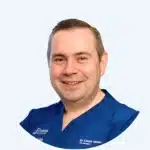
Dr Colum Nolan
Senior Consultant Spine & Neurosurgeon
MB, BCh, BAO, LRCPSI, MRCSI, FRCSI (Neurosurgery)
Lower back pain is a common reason people in Singapore seek medical attention, yet the difference between acute and chronic pain is often misunderstood. This distinction shapes how symptoms are assessed, how long treatment should continue and when further investigation is needed. Understanding the difference helps guide appropriate care and prevents unnecessary delay or overtreatment.
What Is Acute Lower Back Pain?
- Sudden onset of symptoms
- Pain localised to the lower back
- Stiffness after physical activity
- Discomfort triggered by bending or twisting
- Reduced range of motion
- Gradual improvement over days to weeks
What Is Chronic Lower Back Pain?
- Pain that persists for more than 3 months
- Recurring flare-ups that come and go
- Stiffness, especially in the morning or after prolonged sitting
- Pain that may radiate to the buttocks or legs when nerves are involved
- Numbness or tingling in some cases
- Disruption to sleep, walking and daily activities
Treatment Options for Acute and Chronic Lower Back Pain
Acute Pain Treatment
For acute lower back pain, early interventions generally focus on settling inflammation and restoring comfortable movement. Most people recover well with appropriate measures, although pushing through severe pain or resuming strenuous activity too soon can delay healing.Common treatments include:
- Short-term medication to manage pain and inflammation
- Gentle stretching and light movement to prevent stiffness
- Heat therapy to soothe muscle tension
- Temporary modifications to daily activities
- Guided physiotherapy when symptoms interfere with work or mobility
Chronic Pain Treatment
Chronic lower back pain rarely improves with rest alone. In fact, prolonged inactivity can worsen symptoms over time. A more active, structured approach is often needed to achieve lasting relief.Long-term management often involves a combination of the following approaches:
- Physiotherapy: Under the guidance of a physiotherapist, patients follow a structured exercise programme that focuses on strength, flexibility, posture and core stability to better support the spine.
- Medications: These may be used to manage ongoing pain or inflammation as part of a coordinated treatment plan.
- Activity and Ergonomic Adjustments: Changes to daily activities and work environments help reduce repeated strain on the lower back.
- Image-guided Injections: Targeted injections may be used to deliver medication directly to areas of nerve irritation or joint inflammation.
- Surgical Options: Surgery is considered only when conservative treatments do not provide adequate relief or when significant nerve compression causes weakness or functional impairment. The choice of procedure depends on the underlying cause.
Take the First Step Towards Lower Back Pain Relief
Lower back pain can be disruptive, frustrating and at times alarming, but early evaluation and proper management from a spine specialist can help prevent long-term difficulties. Understanding whether symptoms are acute or chronic allows treatment to be matched appropriately, reducing the risk of prolonged pain or unnecessary intervention.
At Oxford Spine and Neurosurgery Centre, care focuses on accurate diagnosis and evidence-based management of lower back pain. Dr Colum Nolan evaluates each case individually, taking symptoms, imaging findings and functional goals into account. If symptoms persist, worsen or interfere with daily activities, schedule an appointment with us for a structured medical assessment to clarify the cause and guide appropriate treatment.
Our Spine Specialist in Singapore
Dr Colum Nolan
Senior Consultant Spine & Neurosurgeon
MB, BCh, BAO, LRCPSI, MRCSI, FRCSI (Neurosurgery)
Dr Colum Nolan is a senior consultant spine and neurosurgeon, as well as the Medical Director of Oxford Spine & Neurosurgery Centre. He undertook specialist neurosurgery training in Ireland and Australia, and later on completed a complex spine surgery fellowship at Addenbrooke’s Hospital in Cambridge, UK.
Dr Colum held key leadership roles including Director of the Spine and Spinal Disorders Programme at the National Neuroscience Institute (NNI), as well as the Head of Neurosurgery Service at Sengkang General Hospital.
With his depth of experience, Dr Colum is committed to guiding each patient towards the safest and most effective treatment for their needs.