Dr Colum Nolan
Senior Consultant Spine & Neurosurgeon
MB, BCh, BAO, LRCPSI, MRCSI, FRCSI (Neurosurgery)
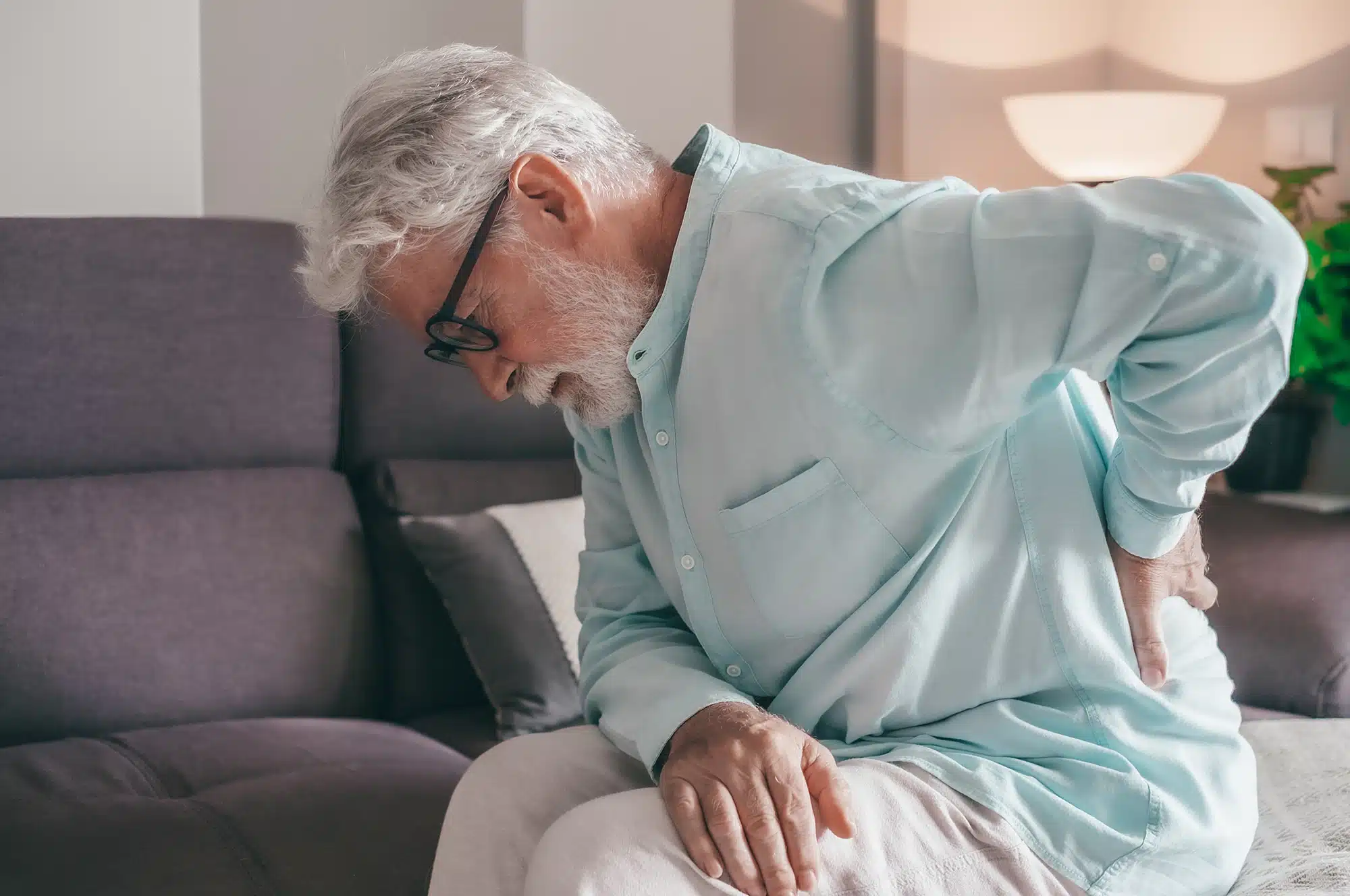
Spinal stenosis is a condition that affects many older adults in Singapore and often develops gradually as the spine undergoes age-related changes. New back or neck symptoms can understandably feel concerning, but understanding why this condition becomes more common with age can empower you to take practical, informed steps to manage discomfort and maintain mobility.
Why Spinal Stenosis Becomes More Common With Age
Degeneration of Spinal Discs
The discs between each vertebra work as cushions that absorb impact and allow smooth movement. As the body ages, these discs lose water content and height, making them less effective in distributing load. When discs shrink or bulge, the surrounding space can narrow, causing strain on nearby nerves. This degeneration is one of the most common reasons spinal stenosis develops later in life.Bone Spur Formation
Bone spurs, also known as osteophytes, often form as part of the body’s attempt to stabilise ageing joints in the spine. Although these growths are not harmful on their own, they can intrude into spaces where nerves normally pass freely. This is particularly common in individuals who have chronic wear and tear from years of movement, posture habits or past injuries.Thickening of Ligaments
Ligaments support the spine by holding the vertebrae together. Over time, these ligaments may thicken as part of the ageing process. When they thicken inward, they can reduce the available space around the spinal canal and nerve roots. This change tends to be gradual, which is why symptoms may appear slowly and intermittently at first.Facet Joint Changes
The facet joints connect the vertebrae and enable movements such as bending and twisting. As we age, these joints can undergo arthritic changes, including swelling, cartilage wear and enlargement. These changes can narrow the spinal canal, and as the joints become more inflamed or irregular, the risk of nerve compression increases.Increased Likelihood of Spondylolisthesis
Spondylolisthesis occurs when one vertebra slips forward over the one below it. Although this can happen at any age, it becomes more common in older adults due to weakening bones, disc degeneration and joint changes. This slippage can narrow the spinal canal and increase pressure on nerves, contributing significantly to spinal stenosis.Common Symptoms of Spinal Stenosis in Older Adults
- Back or neck pain, often persistent or activity-related
- Pain radiating into the arms or legs, depending on the level of stenosis
- Tingling or numbness in the limbs
- Weakness in the arms or legs, which may affect daily tasks
- Difficulty walking long distances, often due to leg fatigue
- Heaviness or cramping in the legs, especially when standing or walking
- Reduced balance or coordination, particularly in more advanced cases
How Is Spinal Stenosis Managed?
Conservative Management
Most older adults start with conservative treatment, which is often effective for mild to moderate stenosis. This approach may include:- Physiotherapy: Therapy programmes focus on improving flexibility, balance and core stability. By strengthening supporting muscles and enhancing mobility, physiotherapy helps reduce pressure on nerves and makes daily activities easier to perform.
- Medications: Anti-inflammatory medicines and pain relievers may be prescribed to ease discomfort. These medications often work best when used alongside physiotherapy to support better movement and overall function.
Image-Guided Injections
If conservative measures are not sufficient, image-guided procedures such as epidural steroid injections may be considered. These injections target inflammation around compressed nerves and can provide temporary yet meaningful symptom relief, particularly for older adults who are not ready for surgery.Surgical Options
Surgery is considered only after a careful evaluation of a patient’s overall health, symptoms and functional goals. The aim is to relieve pressure on the spinal cord or nerves by creating more space within the spinal canal. When appropriately selected, spine surgery can provide meaningful symptom relief and improved mobility, even in older adults.Common procedures include:
- Laminectomy: A portion of the vertebral bone (the lamina) is removed to widen the spinal canal and reduce nerve compression.
- Microdiscectomy: A minimally invasive procedure that removes the portion of a herniated disc pressing on a nerve root.
- Stabilisation Procedures: Techniques such as spinal fusion are used to stabilise segments of the spine that are unstable or slipping, helping reduce pain and preventing further nerve irritation.
Seek Clear Medical Evaluation From Dr Colum Nolan
Spinal stenosis often develops gradually with age, and symptoms can vary widely depending on the areas of the spine affected and the degree of nerve compression. Early assessment helps clarify whether symptoms are part of normal age-related change or require targeted treatment to maintain mobility and independence.
Care at Oxford Spine and Neurosurgery Centre focuses on careful assessment and appropriate management planning. Dr Colum Nolan has handled many cases of spinal stenosis in older adults, evaluating each case individually, considering symptom patterns, imaging results and overall health. If spinal stenosis is affecting your daily function, schedule an appointment with Dr Colum to clarify suitable options and guide informed decisions about treatment.
Our Spine Specialist in Singapore
Dr Colum Nolan
Senior Consultant Spine & Neurosurgeon
MB, BCh, BAO, LRCPSI, MRCSI, FRCSI (Neurosurgery)
Dr Colum Nolan is a senior consultant spine and neurosurgeon, as well as the Medical Director of Oxford Spine & Neurosurgery Centre. He undertook specialist neurosurgery training in Ireland and Australia, and later on completed a complex spine surgery fellowship at Addenbrooke’s Hospital in Cambridge, UK.
Dr Colum held key leadership roles including Director of the Spine and Spinal Disorders Programme at the National Neuroscience Institute (NNI), as well as the Head of Neurosurgery Service at Sengkang General Hospital.
With his depth of experience, Dr Colum is committed to guiding each patient towards the safest and most effective treatment for their needs.