
Dr Colum Nolan
Senior Consultant Spine & Neurosurgeon
MB, BCh, BAO, LRCPSI, MRCSI, FRCSI (Neurosurgery)
As we age, our spines naturally undergo changes that can lead to stiffness, pain, and reduced mobility. This process, known as spondylosis, involves the gradual wear and tear of the vertebrae and the discs between them.
While spondylosis can affect any part of the spine, it most commonly occurs in two areas: the neck (cervical spondylosis) and the lower back (lumbar spondylosis). Each type presents with different symptoms and requires different treatment plans; and knowing which one you may be dealing with can help guide timely care and prevent complications.
Understanding Spondylosis
Spondylosis is a degenerative condition that can greatly impact a person’s daily life. It begins with the natural aging of the spinal discs, which act as cushions between the vertebrae. Over time, these discs lose moisture and height, making them less effective at absorbing shock and more susceptible to cracking or herniation, even from normal, everyday stresses.
This ongoing degeneration can also lead to the formation of bone spurs, which may narrow the spinal canal—a condition known as spinal stenosis. This narrowing can put pressure on the spinal cord and surrounding nerves, causing symptoms like numbness, tingling or weakness in the arms or legs. In severe cases, this pressure can even lead to a loss of bladder or bowel control.
If you experience persistent symptoms like chronic pain, numbness or weakness in your limbs, it is advisable to see a doctor for a timely and accurate diagnosis.
What Is Cervical Spondylosis?
Cervical spondylosis refers to age-related degeneration of the discs, joints, and bones in the neck. It is one of the most common spinal conditions and tends to worsen gradually over time.
Causes and Risk Factors
The primary cause is natural ageing, as the spinal discs lose moisture and elasticity. Other contributing factors include a history of neck injuries, repetitive neck movements from work or sports, poor posture and a genetic predisposition.
Symptoms
Common symptoms of cervical spondylosis include neck pain, stiffness and a reduced range of motion. Some people may also experience headaches that originate from the neck or a grinding and popping sensation when they turn their head.
If the condition progresses to the point where a nerve is compressed, symptoms can radiate into the arms, hands or fingers, causing numbness, tingling or weakness. This nerve compression can also make it difficult to perform everyday movements like turning, nodding or flexing your neck, and may impair your ability to use your arms and hands.
Possible Complications
A serious complication is cervical myelopathy, where the spinal cord becomes compressed. This can lead to difficulty walking, poor coordination, and, in severe cases, problems with bladder or bowel control.
What Is Lumbar Spondylosis (Lower Back Region)?
Lumbar spondylosis is a degenerative condition that affects the discs, joints and bones in the lower back. Like cervical spondylosis, it primarily develops due to age-related wear and tear on the spine.
Causes and Risk Factors
While ageing is the leading cause, other factors can increase the risk. These include obesity, a sedentary lifestyle, poor posture and occupations that involve heavy lifting, repetitive bending or long hours of sitting.
Symptoms
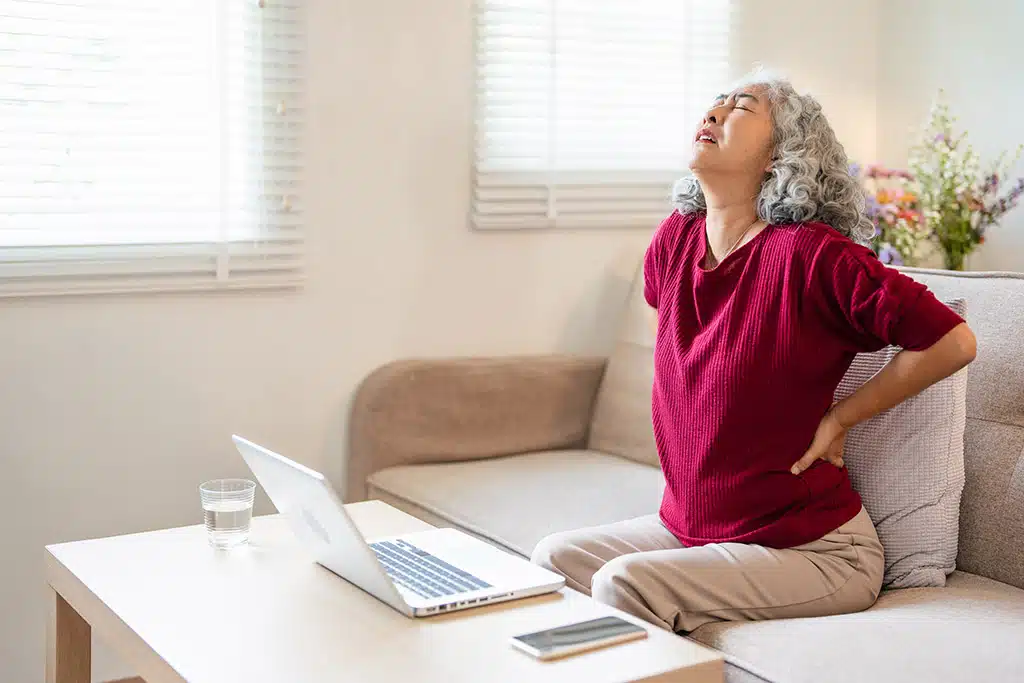
The main symptom of lumbar spondylosis is chronic lower back pain that typically worsens with activity and improves with rest. This pain may also radiate to the buttocks or legs, making it difficult to walk or stand for long periods. You may also experience stiffness and find it difficult to perform basic movements like bending or lifting.
Possible Complications
If nerves become compressed, lumbar spondylosis can lead to sciatica, a sharp, radiating pain that travels down the leg. Another potential complication is spinal stenosis, where the spinal canal narrows, causing leg pain, numbness, tingling and weakness.
Diagnosis
Cervical and lumbar spondylosis share similar diagnostic approaches and treatment options, focusing on symptom relief and preventing neurological impairment. A diagnosis usually includes a physical exam to assess the range of motion and pinpoint the source of pain. To confirm the diagnosis and rule out other conditions, doctors may order imaging tests. These can include X-rays, which show bone spurs and loss of disc height, or an MRI/CT scan, which provides detailed images of the spinal cord and nerves.
Treatment Options
The goal of treatment for both cervical and lumbar spondylosis is to relieve pain, reduce inflammation and restore mobility. The approach depends on the severity of symptoms and how the condition affects daily activities.
Conservative Treatments
The first line of management often includes pain-relieving medications, physiotherapy to strengthen supporting muscles, and lifestyle changes like maintaining a healthy weight. These aim to improve flexibility and correct posture.
Interventional Treatments
If symptoms persist despite conservative care, steroid injections or minimally invasive procedures may be recommended. These options target inflammation and nerve irritation to provide longer-lasting pain relief.
Surgical Intervention
Surgery is typically recommended for severe or progressive cases, especially when there is significant nerve or spinal cord compression. Common surgical options include:
- Discectomy: This procedure involves removing a herniated disc that is pressing on a nerve, helping to relieve pain and nerve irritation.
- Laminectomy: This surgery relieves pressure on the spinal cord or nerves by removing bone spurs or parts of the vertebra.
- Laminoplasty: This technique expands the spinal canal by carefully repositioning the vertebrae to create more space for the spinal cord and nerves.
- Spinal Fusion: This procedure stabilises the spine by using bone grafts and hardware to permanently join two or more vertebrae.
With early intervention and a personalised treatment plan, many patients can effectively manage their symptoms and reduce the risk of further spinal degeneration.
Prevention & Self-care Tips
There are some things that one can do to reduce the risk or severity of cervical and lumbar spondylosis. These include:
- Maintaining Correct Posture: Avoid slouching and prolonged forward head positions, especially when using computers or mobile devices.
- Regular Exercise: Engage in neck and back exercises to strengthen muscles supporting the spine and maintain flexibility.
- Taking Frequent Breaks: When working on electronic devices or performing activities that strain the neck or lower back, take short breaks to move, stretch and relieve pressure on the spine.
- Maintaining Proper Sleeping Positions: Use pillows that support the natural curves of the neck and choose sleeping positions like on the back or side to prevent undue spinal stress.
- Avoiding Heavy Lifting and Repetitive Strain: Modify daily activities to avoid excessive strain on the neck and lower back. Use correct body mechanics when lifting or bending.
- Seeking Early Medical Advice: At the first sign of persistent neck or back pain, numbness or weakness, seek medical attention for timely diagnosis and treatment.
If you are experiencing persistent neck or back pain or other related symptoms, please seek a professional medical opinion with a spine specialist. Contact us at Oxford Spine & Neurosurgery Centre today to schedule a consultation with Dr Colum Nolan.
Our Spine Specialist in Singapore
Dr Colum Nolan
Senior Consultant Spine & Neurosurgeon
MB, BCh, BAO, LRCPSI, MRCSI, FRCSI (Neurosurgery)
Dr Colum Nolan is a senior consultant spine and neurosurgeon, as well as the Medical Director of Oxford Spine & Neurosurgery Centre. He undertook specialist neurosurgery training in Ireland and Australia, and later on completed a complex spine surgery fellowship at Addenbrooke’s Hospital in Cambridge, UK.
Dr Colum held key leadership roles including Director of the Spine and Spinal Disorders Programme at the National Neuroscience Institute (NNI), as well as the Head of Neurosurgery Service at Sengkang General Hospital.
With his depth of experience, Dr Colum is committed to guiding each patient towards the safest and most effective treatment for their needs.